Cardiac apprehension rarely introduces itself. You are chatting at a bbq in Merewether or awaiting a latte on Darby Road, and someone near you drops without alerting. In that moment, onlookers determine end results. High‑quality mouth-to-mouth resuscitation doubles or perhaps triples the chance of survival in the very first couple of minutes prior to a defibrillator or paramedics get here. Yet even well‑intentioned helpers fall under predictable challenges that blunt the influence of their efforts.
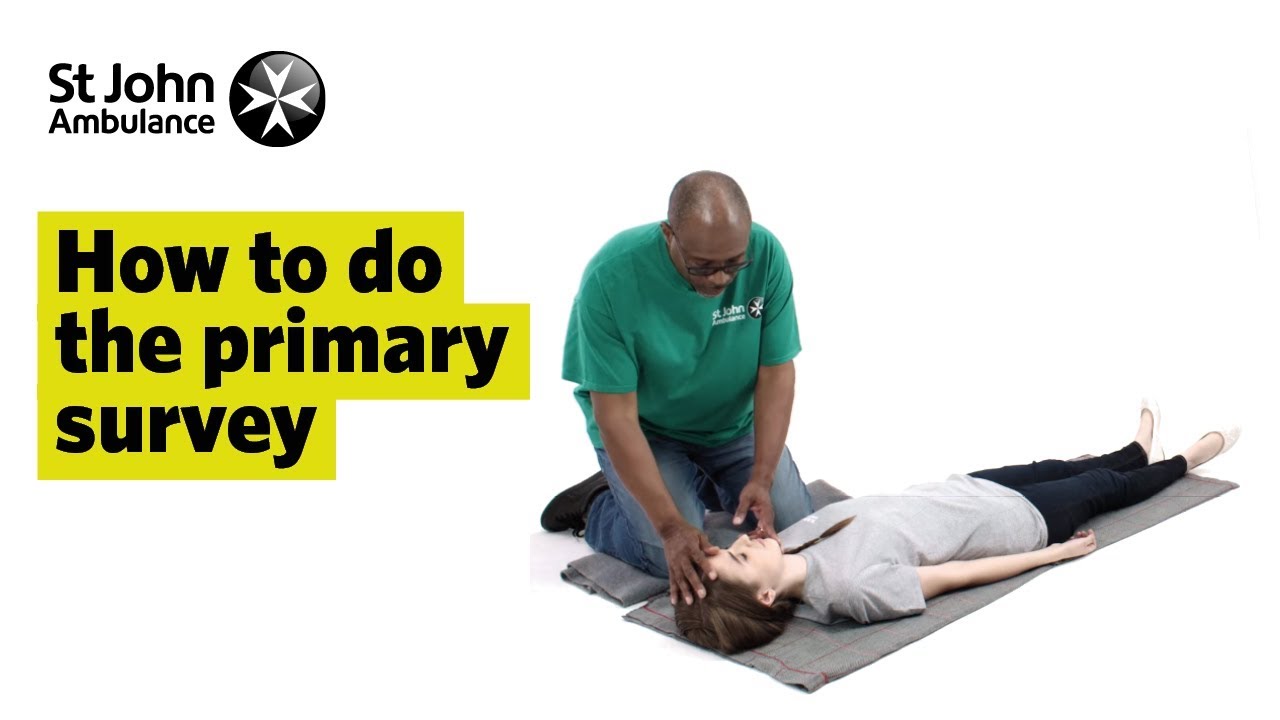
After years of teaching Newcastle emergency treatment courses and responding to real incidents from the foreshore to the residential areas, a pattern is difficult to neglect. The same handful of mistakes show up again and again, whether it is an initial timer on a cpr course Newcastle residents took through a neighborhood group, or a skilled personnel past due for a mouth-to-mouth resuscitation correspondence course Newcastle companies call for. The good news is that each blunder has an uncomplicated solution you can exercise up until it becomes muscular tissue memory.
This is a practical guide grounded in what often tends to go wrong on the sidewalk, not in tidy classroom situations. If you educate with Emergency treatment Pro Newcastle or any kind of reputable supplier offering emergency treatment and mouth-to-mouth resuscitation courses Newcastle large, you will certainly cover these points detailed. Utilize this as a truth check and a refresher, particularly if your emergency treatment certification Newcastle budget card is collecting dust.
The single most significant error: hesitation
Most onlookers wait. They check for a pulse longer than they should, or hover due to the fact that they do not intend to "do it wrong." I have enjoyed people take nearly a full min to relocate from "Is he alright?" to a first compression. In heart attack, every 10 to 15 secs lost issues. The mind begins to endure damage after about 4 minutes without oxygen, and survival visit about 7 to 10 percent for every minute without mouth-to-mouth resuscitation and defibrillation.
Hesitation is easy to understand. People worry about obligation, injuring the person, or catching a health problem. In Australia, good Samaritan protections are solid when you act in excellent faith. Compressions that break a rib are not "damage," they are a by‑product of efficient CPR on an adult breast. Transmittable risk from hands‑only mouth-to-mouth resuscitation is really low, especially if you use an obstacle shield from a fundamental first aid set. The repair is mental: choose since you will act. If the person is less competent and not breathing typically, begin compressions and direct somebody to call Triple Absolutely no. That is the limit that matters.
What "not breathing normally" really looks like
People misread breathing at all times. Gasping, snoring sounds, or irregular "fish out of water" breaths in the initial minutes after collapse are agonal respirations. They suggest cardiac arrest, not typical breathing or recuperation. An individual who is breathing effectively will have normal upper body surge you can see and really feel, typically in a tranquil rhythm. If you need to debate it, treat it as not typical. Begin compressions, and switch to rescue breaths only if you are educated, willing, and have a barrier gadget. If you are not, hands‑only CPR is better than waiting.
I when saw a bystander in Civic Park hold a phone flashlight to a man's mouth, looking for haze on a winter evening. The hold-up cost nearly a min. Better method: drink the shoulders, yell, open the air passage with a head tilt chin lift, take no more than 10 seconds to analyze if the breast rises in a regular pattern. If not typical, jump on the chest.
Depth and price drift under pressure
Even people that passed an emergency treatment program in Newcastle recently tend to go shallow and slow-moving when the adrenaline hits. The target for adults is a depth of concerning one third of the upper body, approximately 5 to 6 cm, at 100 to 120 compressions per min. That rate really feels a bit much faster than a comfy walk and a touch slower than a sprint. Some instructors use tunes, but in reality, anchoring to a metronome like 110 beats per min on your phone or an AED can help. When mentor mouth-to-mouth resuscitation training Newcastle teams, we motivate pupils to practice with a beat so they adjust their hands and eyes to a constant rhythm.
Depth issues more than perfection. If you are counting in your head, aim for two compressions per 2nd and inspect on your own occasionally. If the chest is not recoiling fully, you are leaning. Raise your hands a little on top of each compression so the breast bounce back. Complete recoil is not optional. It allows the heart fill in between compressions, which straight influences the blood flow you generate.
The upper body is a pump, not the arms alone
A traditional indicator of exhaustion is the "elbow joint bend," where rescuers start utilizing arm muscle mass instead of body weight. The kind breaks down and deepness suffers. Location the heel of your hand on the center of the breast, put your other hand on top, lock your elbow joints directly, and stack your shoulders over your hands. Then allow gravity work. Your back and hips should relocate with the compression. If your shoulders are behind your hands, you are dealing with physics.

If you are much shorter, kneel closer to the individual's side and lean in. If you are taller, move your knees back a touch so your shoulders are straight over your hands. I have seen both errors at Newcastle first aid training sessions. Once corrected, trainees instantly hit depth without additional effort and keep quality for longer.
Breaking rhythm with unneeded interruptions
CPR resembles a manual life support device. Every stop drains the stress you constructed. Stopping to readjust the individual's head, to neat apparel, or to chat regarding signs and symptoms happens regularly in real occurrences. Keep disruptions under 10 seconds. Strategy actions to fit into natural breaks. If you are providing rescue breaths, provide two quick breaths and return on the upper body. If an AED gets here, have a single person continue compressions while an additional subjects the chest and uses pads. The machine will advise you to stop during analysis. Or else, maintain compressing.
I bear in mind a retail team on Seeker Street doing everything right till the AED got here. Then 3 people hovered, debating the pad placement diagram while compressions stopped. The solution is practice session. Throughout emergency treatment programs in Newcastle, practice an AED handover as a choreographed step: a single person calls "pads on," one more keeps pressing while pads are applied, and only quits when the AED explicitly asks for it.
Hands only mouth-to-mouth resuscitation versus breaths: choose decisively
Some rescuers hover between approaches and do neither well. For adults who instantly collapse, hands‑only mouth-to-mouth resuscitation is flawlessly acceptable if you are inexperienced or resistant to provide rescue breaths. It minimizes reluctance and maintains perfusion. For drowning, overdose, or pediatric cases, rescue breaths add value due to the fact that these are commonly respiratory system arrests. If you have taken a first aid and cpr program Newcastle suppliers use, you will have exercised the 30 compressions to 2 breaths cycle with appropriate head tilt, chin lift, and an excellent seal.
What issues is decisiveness. If you are providing breaths, do them properly: open up the air passage, squeeze the nose, form a tight seal, supply simply sufficient air to see the upper body surge, then return to compressions immediately. Over‑ventilating causes problems by boosting intrathoracic pressure and lowering blood return to the heart. Quiet, controlled smokes defeat powerful blasts.
Fear of creating harm
Concern concerning broken ribs comes up in virtually every Newcastle emergency treatment program. In grownups, cracks occur in a purposeful portion of actual resuscitations. It is unpleasant, however it does not suggest you are doing it wrong. The guideline is that incorrect is shallow, slow, or delayed. If you really feel a split, do not quit. Reposition your hands to the center of the chest and maintain going.
Another concern is legal exposure. In New South Wales, good Samaritan stipulations secure those who aid in an emergency situation. If you are acting in excellent faith, within your level of training, and not carelessly, you are protected. Throughout first aid training in Newcastle, we stress recording the occasion afterward, yet in the minute your concern is care.
The AED myth: "We do not require compressions if the maker is coming"
Automated exterior defibrillators do one thing quite possibly: they fix shockable rhythms by providing a regulated electrical shock. They do not flow blood. From the minute a person breaks down, oxygen and nutrients are not getting to the mind unless you press the chest. Anticipate an AED to arrive in 2 to 5 minutes if you are in a well‑equipped place, longer outdoors or in the house. Those minutes are your own to fill.
In mouth-to-mouth resuscitation courses Newcastle individuals frequently assume the AED pads have to be placed on a completely dry, bare chest. In hefty moisten the Newcastle foreshore or after a swim, wipe the chest swiftly, shave or press securely with moderate hair, and apply pads. If a medicine spot remains in the pad location, remove it and clean. Piercings are fine, simply prevent positioning a pad directly over steel. Pacemaker bulges generally rest under the collarbone; place the pad a little far from that location. None of these modifications warrant lengthy pauses.
Mishandling youngsters and babies by scaling grown-up technique
Children are not tiny grownups when it involves mouth-to-mouth resuscitation, though the core principles hold. The most typical mistakes are pressing too deep or also fast on infants, or avoiding compressions due to the fact that the rescuer hesitates of triggering damage. Usage two fingers for babies in the center of the upper body, about 4 cm deep, and two hands or one hand for kids as size determines, at a depth of one third of the upper body. Give breaths if you can, because pediatric apprehensions commonly begin as breathing problems.
If you are alone with a less competent child or infant and no phone, perform 2 mins of CPR initially, then go call Three-way No and get an AED. That series boosts the probabilities because kids react to air flow early. This nuance is one factor family members gain from a first aid and cpr training course Newcastle parents can practice in, not simply read about online.
Teamwork errors: way too many cooks, or not enough
On busy websites, several helpers can create chaos. I have watched 3 buddies compress simultaneously from various angles, a well‑meaning scrum that generated no deepness. I have actually likewise seen a solitary rescuer work for 8 mins without changing, with rate and deepness worn out by the minute.
An easy framework functions ideal. One person leads and talks in clear, short commands. One compresses. One manages the phone and AED. Others control the scene and straight web traffic or bring items. Switch over compressors every two mins or at each AED analysis to decrease fatigue. This tempo protects against the progressive disintegration in high quality that creeps in around the 90‑second mark. If nobody else is offered, use a pace you can sustain, and prioritise consistent deepness and full recoil over fancy speed.
Environmental realities particular to Newcastle
Context forms resuscitation. Around coastlines, drowning instances call for very early rescue breaths. If the individual is just drawn from the water at Nobbys, do a quick roll to drain obvious water from the mouth, open up the respiratory tract, and supply 5 initial breaths prior to clearing up right into cycles of 30 compressions and 2 breaths. Anticipate regurgitation. Turn the head appropriately, give slow breaths, and be ready to roll the individual as required to clear the airway without lengthy pauses.
In warm front, bystanders tiredness much faster. Move the individual onto a company surface, ideally in color. On soft sand or https://damientxfj211.timeforchangecounselling.com/top-rated-emergency-treatment-pro-newcastle-courses-what-you-need-to-know a cushioned surface area, compressions shed efficiency; slide a board, cover, or inflexible product under the back. In crowded occasions, appoint a watchman to flag down the showing up paramedics. Several Newcastle emergency treatment training sessions currently integrate group monitoring for specifically this reason.
High increase apartment or condos and stairwells introduce their own difficulty: tough landings are unusual, and relocating the person to a better surface expenses time. If the flooring is carpeted, compress with extra concentrate on depth, and do not squander a minute relocating unless the surface is obviously also soft to depress the sternum effectively. Once paramedics show up with a mobile board, transfer ends up being faster.
When not to begin, and when to stop
People additionally deal with the limits. If the scene is risky-- online cables, website traffic, fire-- do not enter. If there are obvious signs of irreparable death such as decapitation or decomposition, CPR is not appropriate. In almost whatever else, start.
Stopping is a judgment telephone call. Proceed until the person shows indications of life, an AED instructs or else, certified assistance takes over, or you are literally unable to continue. On a long‑response country task west of the city, two farm workers rotated compressions for more than 20 mins prior to the initial rescue pulled up. That endurance came from technique. A half‑yearly cpr correspondence course Newcastle staffs first aid newcastle total on site makes that kind of endurance possible since it rehearses realistic periods, not simply textbook sets.
Rescue breaths without a respiratory tract is wishful thinking
When breaths stop working to raise the upper body, a lot of rescuers try to blow more challenging. The air passage is the issue most of the time. Reposition. Turn the head more. If trauma is suspected, make use of a jaw thrust. Clear the mouth rapidly if you see vomit or an obstruction. Use just sufficient air to make the upper body increase. If you do not have an obstacle and hesitate to offer breaths, switch over completely to hands‑only. Partial, inadequate breaths waste time and increase threat without benefit.
Proper air flow is an ability that only sticks to method. Newcastle first aid programs that hang out on mask methods and the balance between rate and quantity create calmer rescuers at genuine scenes. If your last course skated via breathing in 5 minutes, think about booking a much more hands‑on emergency treatment and mouth-to-mouth resuscitation course Newcastle providers keep up circumstance time constructed in.
Overlooking relatively easy to fix causes
While compressions proceed, think about the common reversible reasons for heart attack: the Hs and Ts. You do not need to recite every one of them, however do watch out for ideas. Did the person choke on food at a restaurant? Exists an inhaler on the ground? Are there indications of an overdose? If an AED is on the way, compressions precede, yet a quick look that motivates the appropriate item of details to paramedics can form treatment. That sort of situational awareness is drilled in better Newcastle emergency treatment training programs, which use case studies from neighborhood events instead of generic scripts.
Post resuscitation missteps
If somebody restores awareness, the work is not over. Do not rest them up suddenly. Maintain them on their side in a healing setting, monitor breathing, and be ready to resume compressions. People might be confused, combative, or nauseated. Keep tranquility, offer reassurance, and discuss what took place in straightforward terms. If an AED supplied a shock, leave the pads in place. Paramedics will want to see the rhythm history the device caught. Avoid offering food or beverage, also if they ask, and maintain the setting quiet. It is alluring for the group to group in for a debrief; secure the person's privacy.
Training that sticks beats certifications that fade
The distinction between concept and efficiency appears at 2 min marks. Quality slips, rhythm wanders, breathing becomes disorderly. Good training develops the stamina and practice to fight those curves. If you live or function in your area, pick newcastle emergency treatment training courses that are scenario‑heavy, make use of responses manikins that gauge depth and recoil, and integrate AED handovers at practical speeds.
You desire courses where trainers remedy your kind repeatedly, not just tick boxes. Ask whether the carrier uses brief compressions‑only refresher courses in between complete qualifications. Many work environments in the area arrange a brief cpr training Newcastle staff session every six months, even if the complete emergency treatment certification cycle is longer. That cadence maintains abilities alive.
First Aid Pro Newcastle, among other suppliers, runs combined knowing options for people with limited routines. The sensible sessions matter most. An online test will certainly not educate your arm joints to secure or your shoulders to stack. Those originated from a trainer pushing your hands, the same way a coach readjusts pose. If your work environment is sending a group, request situations matched to your atmosphere: poolside if you are at a swim institution, shopfront if you are retail, workshop if you are industrial. The realism helps.
A quick calibration device you can carry
Below is a compact area checklist you can practice. It is not a replacement for newcastle first aid training, however it tightens your reaction under stress.
- Check action and breathing in under 10 secs. Otherwise normal, call Three-way No and begin compressions. Compress set in the facility of the upper body at 100 to 120 per min, one 3rd depth with full recoil. Minimise stops. Just stop for AED analysis or to supply 2 quick rescue breaths if trained and willing. Swap compressors every two minutes when possible. Keep roles clear: one leads, one presses, one takes care of AED. Apply AED pads early. Continue compressions throughout preparation. Adhere to motivates, and resume immediately after a shock.
Edge cases worth knowing
Pregnancy in the 2nd or third trimester adjustments chest auto mechanics and circulation. You still execute common compressions, yet if there suffice rescuers, have someone by hand displace the womb slightly to the delegated alleviate stress on major vessels. This is covered in advanced first aid training courses in Newcastle, however state it below because a tiny tweak enhances outcomes.
Hypothermia makes complex assessment. A chilly person may have a pale pulse and slow-moving breathing. If you believe substantial hypothermia, handle delicately, and begin mouth-to-mouth resuscitation if there is no clear breathing. The guiding phrase is "Nobody is dead until warm and dead." In seaside Newcastle winters or after a lengthy surf, that nuance matters.
Opioid overdoses are extra usual than many understand. If the person is less competent and not breathing generally, compressions precede. If naloxone is available and you are educated, administer it while mouth-to-mouth resuscitation continues. Rescue breaths are especially helpful right here because hypoxia drives the arrest.
Electrical injuries can cause heart attack also when the entrance wound looks small. Ensure the power source is off before approaching. Once safe, treat as any kind of cardiac arrest with early AED use.
The human side of doing it right
A final monitoring from the field: people bear in mind how you speak to them. Clear, firm, and calm words secure the scene. "I have him. You call Triple No and place me on audio speaker. You, bring the AED from the entrance hall and return. I am starting compressions now." That tone offers the crowd work and reduces interference. When paramedics get here, a crisp handover with times and actions assists: "Collapse at 10.18. No normal breathing. CPR started at 10.19. AED attached at 10.22. One shock provided at 10.23."
Newcastle has plenty of prepared helpers. With a little technique, those helpers come to be efficient rescuers. Whether you schedule a first aid course in Newcastle to renew fundamentals, register in an extensive first aid and mouth-to-mouth resuscitation program Newcastle workplaces favour, or pencil in a fast cpr refresher course Newcastle teachers operate on site, the aim is the same: lower doubt, fix method drift, and build a behavior of action.
No one anticipates you to be best under stress. They do anticipate you to begin. If you bear in mind simply 3 things from this guide, make them these: do not postpone for a pulse, push hard and fast with full recoil, and utilize the AED as soon as it gets here without stopping compressions except when the tool tells you to. If you can do that, you have actually currently stayed clear of one of the most typical errors seen throughout numerous real‑world cases.

And if it has been a while since your last class, today is an excellent day to publication. Newcastle emergency treatment training is not just a certificate on a wall. It is the difference between enjoying and assisting when it counts.
" width="560" height="315" style="border: none;" allowfullscreen>